

Η θάλασσα, αυτό το απέραντο τοπίο μεταβαλλόμενης ομορφιάς, μυστηρίου και αέναης κίνησης, υπήρξε εδώ και αιώνες η μούσα των δημιουργών. Από τους ποιητές που αναζητούσαν νόημα στα κύματα, μέχρι τους ζωγράφους που αποτύπωσαν τη δύναμη και τη γαλήνη της, η θάλασσα έχει διαμορφώσει την ιστορία της τέχνης. Είτε απεικονίζεται ως άγριο και απρόβλεπτο στοιχείο, είτε ως τόπος νοσταλγίας και γαλήνης, το υδάτινο αυτό σύμπαν έχει αποτελέσει αστείρευτη πηγή έμπνευσης.
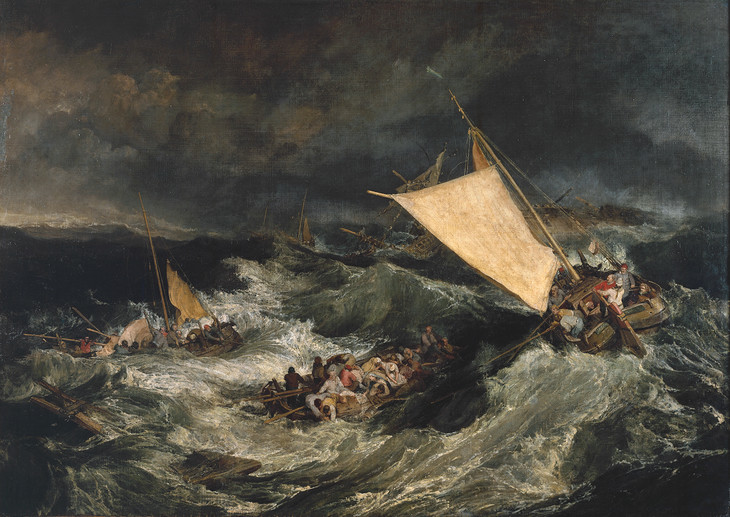
Ο William Turner, ο “ζωγράφος του φωτός”, αποτύπωσε την θάλασσα σε όλες τις μορφές της, από τη φρενίτιδα των καταιγίδων μέχρι την αρμονία της χρυσής δύσης του ήλιου. Τα θολά, δυναμικά πινέλα του έδιναν κίνηση και συναίσθημα στις θαλασσογραφίες του, αναδεικνύοντας την άγρια ομορφιά της.
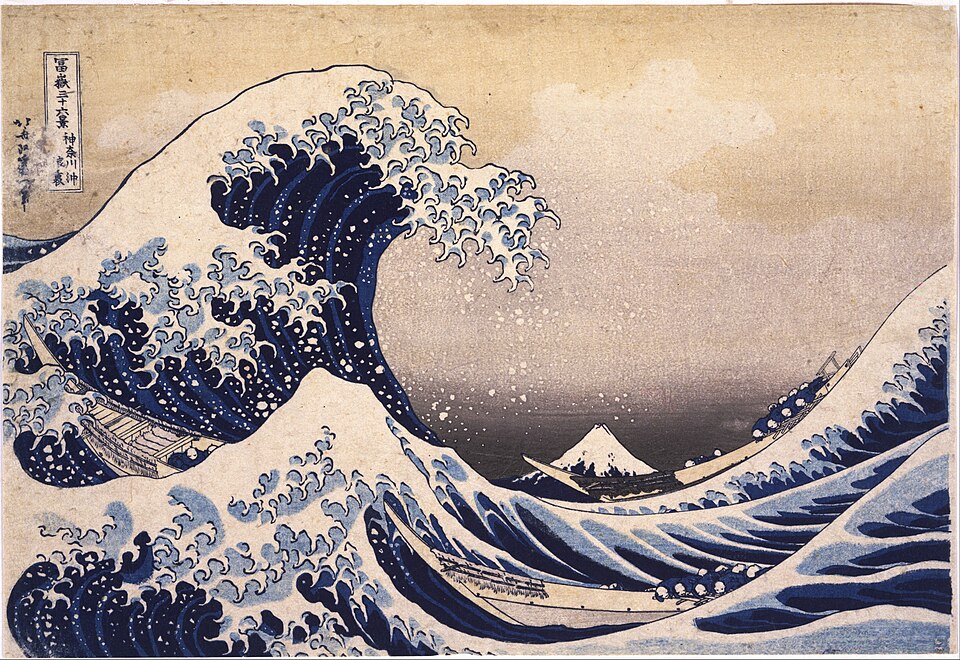
Από την άλλη πλευρά του κόσμου, ο Hokusai δημιούργησε μία από τις πιο γνωστές απεικονίσεις της θάλασσας, “Το Μεγάλο Κύμα έξω από την Καναγκάουα”. Ο Ιαπωνικός χαρακτήρας του έργου, η ακρίβεια των καμπυλών των κυμάτων, η δύναμή τους καθώς κατακλύζουν τις βάρκες, αποτελεί μέχρι σήμερα ένα από τα πιο αναγνωρίσιμα εικαστικά σύμβολα της θάλασσας.
Από τη “Ρομαντική ωδή στον Ωκεανό” του Λόρδου Βύρωνα μέχρι τους στίχους του Καββαδία, η θάλασσα υπήρξε σύμβολο περιπέτειας, προσμονής, ελευθερίας αλλά και αποχωρισμού.
Lord Byron’s “Romantic Ode to the Ocean” (1810).
CLXXVII.
Oh! that the Desert were my dwelling-place,
With one fair Spirit for my minister,
That I might all forget the human race,
And, hating no one, love but only her!
Ye Elements!—in whose ennobling stir
I feel myself exalted—can ye not
Accord me such a being? Do I err
In deeming such inhabit many a spot?
Though with them to converse can rarely be our lot.
CLXXVIII.
There is a pleasure in the pathless woods,
There is a rapture on the lonely shore,
There is society where none intrudes,
By the deep Sea, and music in its roar:
I love not Man the less, but Nature more,
From these our interviews, in which I steal
From all I may be, or have been before,
To mingle with the Universe, and feel
What I can ne’er express, yet cannot all conceal.
CLXXIX.
Roll on, thou deep and dark blue Ocean—roll!
Ten thousand fleets sweep over thee in vain;
Man marks the earth with ruin—his control
Stops with the shore;—upon the watery plain
The wrecks are all thy deed, nor doth remain
A shadow of man’s ravage, save his own,
When for a moment, like a drop of rain,
He sinks into thy depths with bubbling groan,
Without a grave, unknelled, uncoffined, and unknown.
CLXXX.
His steps are not upon thy paths,—thy fields
Are not a spoil for him,—thou dost arise
And shake him from thee; the vile strength he wields
For earth’s destruction thou dost all despise,
Spurning him from thy bosom to the skies,
And send’st him, shivering in thy playful spray
And howling, to his gods, where haply lies
His petty hope in some near port or bay,
And dashest him again to earth:—there let him lay.
CLXXXI.
The armaments which thunderstrike the walls
Of rock-built cities, bidding nations quake,
And monarchs tremble in their capitals.
The oak leviathans, whose huge ribs make
Their clay creator the vain title take
Of lord of thee, and arbiter of war;
These are thy toys, and, as the snowy flake,
They melt into thy yeast of waves, which mar
Alike the Armada’s pride, or spoils of Trafalgar.
CLXXXII.
Thy shores are empires, changed in all save thee—
Assyria, Greece, Rome, Carthage, what are they?
Thy waters washed them power while they were free
And many a tyrant since: their shores obey
The stranger, slave, or savage; their decay
Has dried up realms to deserts: not so thou,
Unchangeable save to thy wild waves’ play—
Time writes no wrinkle on thine azure brow—
Such as creation’s dawn beheld, thou rollest now.
CLXXXIII.
Thou glorious mirror, where the Almighty’s form
Glasses itself in tempests; in all time,
Calm or convulsed—in breeze, or gale, or storm,
Icing the pole, or in the torrid clime
Dark-heaving;—boundless, endless, and sublime—
The image of Eternity—the throne
Of the Invisible; even from out thy slime
The monsters of the deep are made; each zone
Obeys thee: thou goest forth, dread, fathomless, alone.
CLXXXIV.
And I have loved thee, Ocean! and my joy
Of youthful sports was on thy breast to be
Borne like thy bubbles, onward: from a boy
I wantoned with thy breakers—they to me
Were a delight; and if the freshening sea
Made them a terror—’twas a pleasing fear,
For I was as it were a child of thee,
And trusted to thy billows far and near,
And laid my hand upon thy mane—as I do here.
CLXXXV.
My task is done—my song hath ceased—my theme
Has died into an echo; it is fit
The spell should break of this protracted dream.
The torch shall be extinguished which hath lit
My midnight lamp—and what is writ, is writ—
Would it were worthier! but I am not now
That which I have been—and my visions flit
Less palpably before me—and the glow
Which in my spirit dwelt is fluttering, faint, and low.
CLXXXVI.
Farewell! a word that must be, and hath been—
A sound which makes us linger; yet, farewell!
Ye, who have traced the Pilgrim to the scene
Which is his last, if in your memories dwell
A thought which once was his, if on ye swell
A single recollection, not in vain
He wore his sandal-shoon and scallop shell;
Farewell! with HIM alone may rest the pain,
If such there were—with YOU, the moral of his strain.
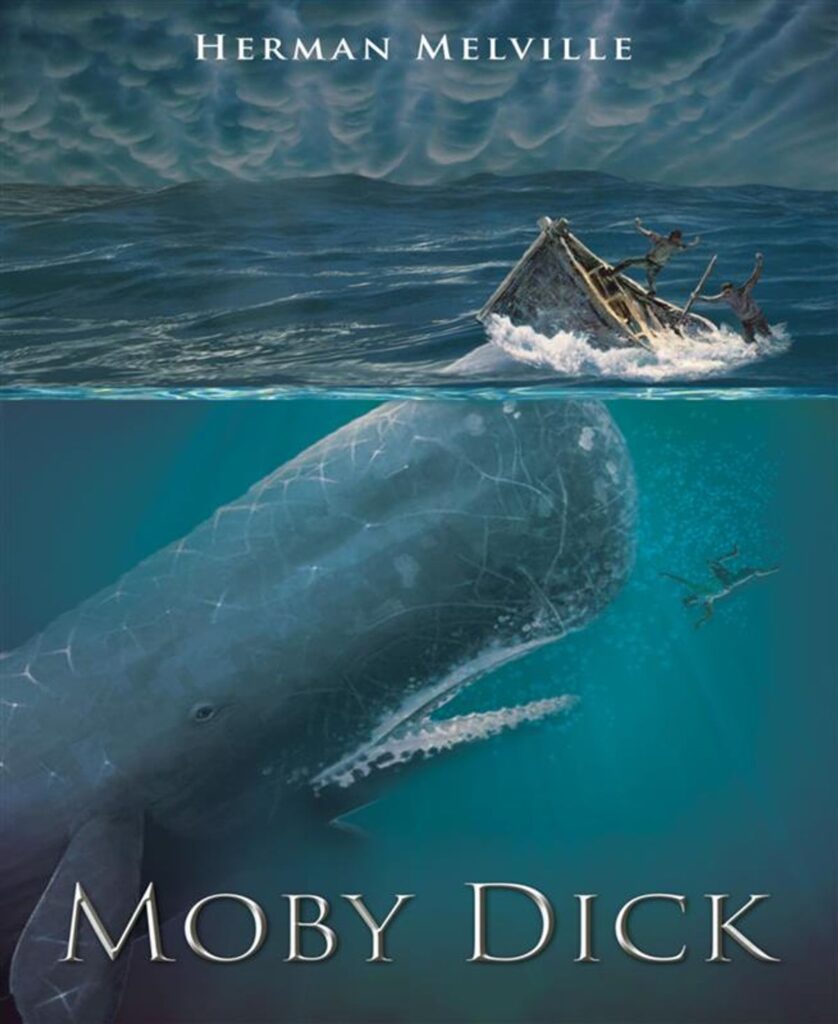
Ο Χέρμαν Μέλβιλ, στο αριστούργημά του Μόμπι Ντικ, αναδεικνύει τη σχέση του ανθρώπου με τη θάλασσα ως μία αλληγορία για την ατέρμονη αναζήτηση.
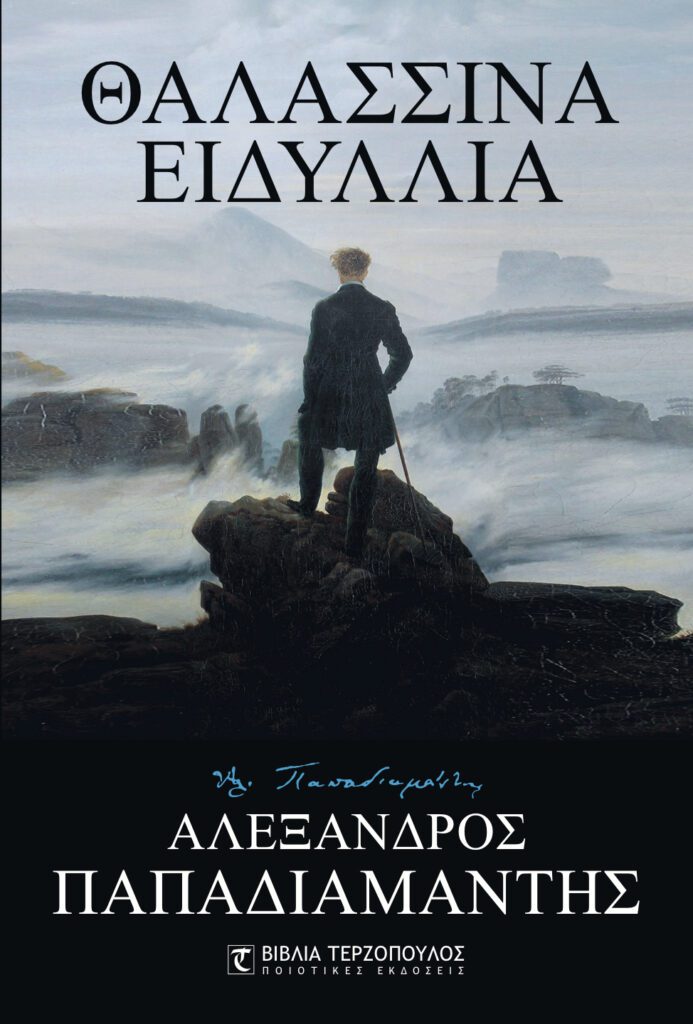
Στην ελληνική λογοτεχνία, η θάλασσα είναι πανταχού παρούσα, από τις περιγραφές του Αλέξανδρου Παπαδιαμάντη (Θαλασσινά ειδύλλια), που την πλαισιώνει με νοσταλγία, μέχρι τον υπερρεαλιστικό θαλάσσιο κόσμο του Οδυσσέα Ελύτη (Μικρή πράσινη Θάλασσα).
Ο Claude Debussy με το αριστούργημά του La Mer (Η Θάλασσα) συνέλαβε την ουσία της υδάτινης κίνησης μέσα από ήχους που πάλλονται σαν κύματα. Η εναλλαγή των συμφωνικών χρωμάτων και η ανεπαίσθητη ρυθμική μεταβολή μεταφέρουν τον ακροατή στην καρδιά της απεραντοσύνης του ωκεανού.
Στη σύγχρονη τέχνη, η θάλασσα παραμένει κεντρικό στοιχείο, όχι μόνο ως αισθητική έμπνευση αλλά και ως προβληματισμός για την κλιματική αλλαγή. Καλλιτέχνες όπως ο Anselm Kiefer, ο Olafur Eliasson, και ο David Hockney διερευνούν τις διαφορετικές πτυχές της θάλασσας, από την απεικόνισή της ως μια αφηρημένη ενέργεια, μέχρι την επισήμανση της οικολογικής της σημασίας.